IN COVERSATION WITH SYD SHELTON

A conversation on nationalism, branding and manufactured identity in modern Britain.

Few images can hold up a mirror to both the past and present quite like those captured by Syd Shelton. His work, held in the collections of Tate, the National Portrait Gallery and the Victoria and Albert Museum, interrogates history while presenting a raw, uncompromising landscape.

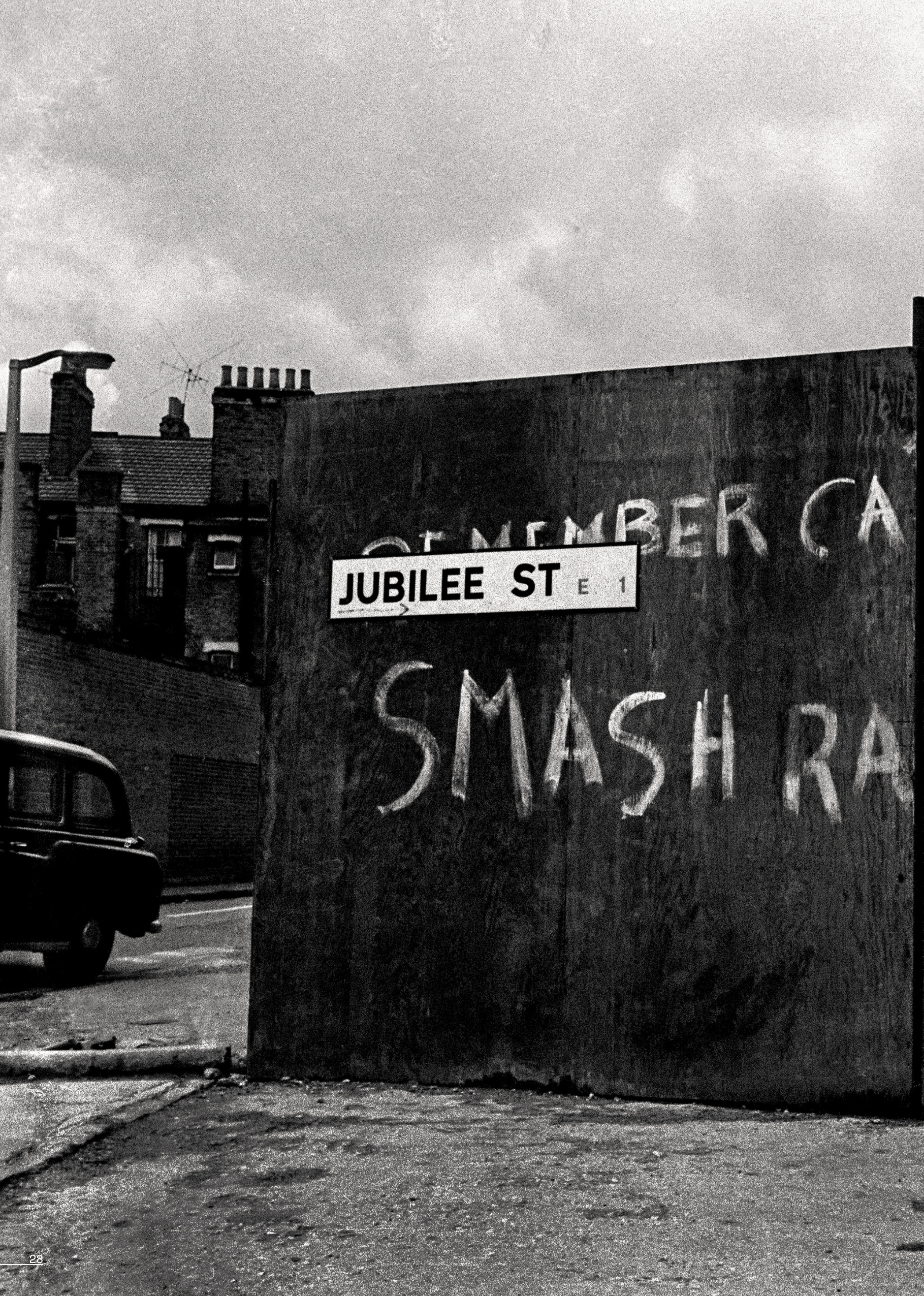
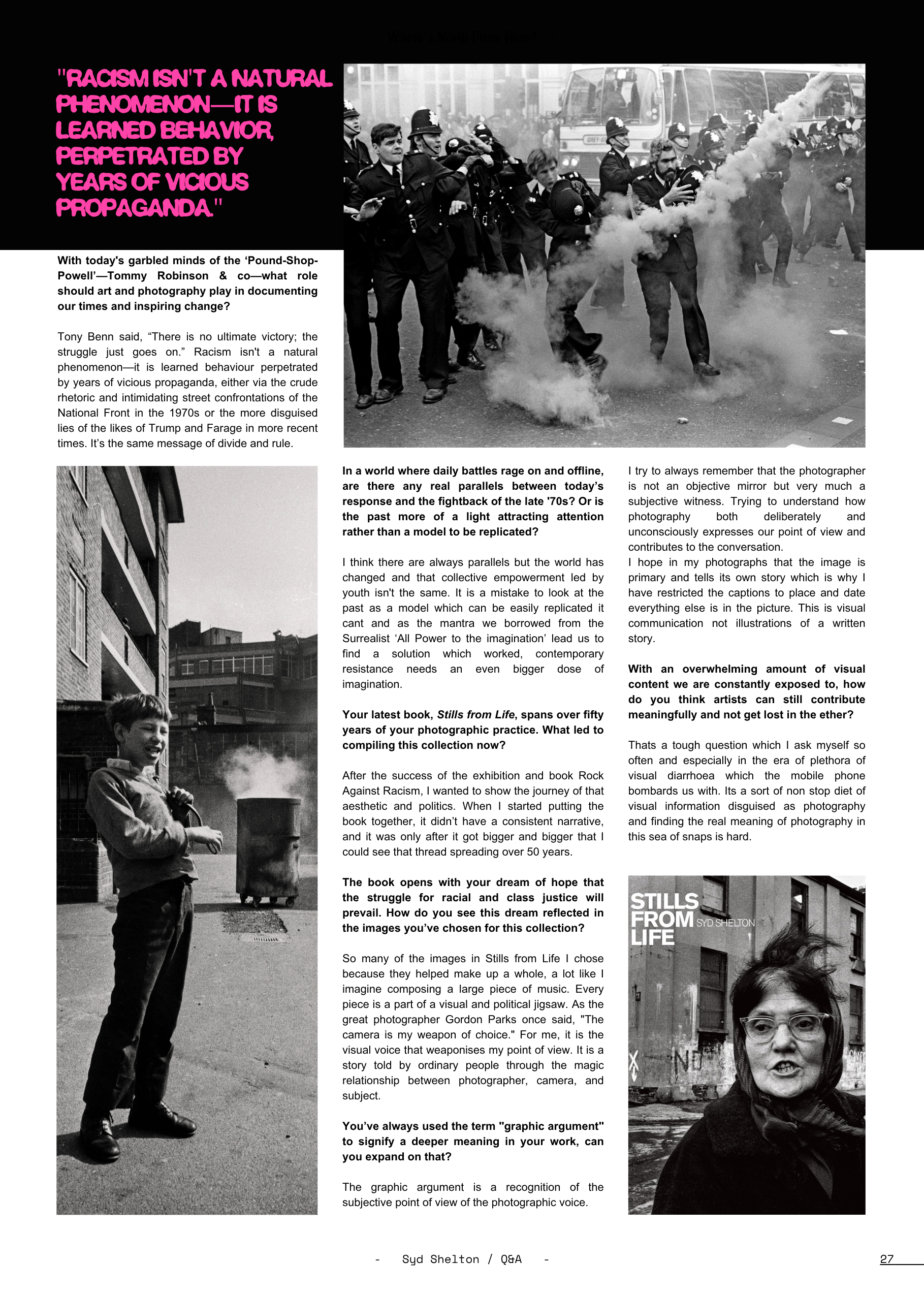
Through Shelton’s lens, we are forced to reckon with the echoes of late-1970s Britain: racial tensions, leftover Luftwaffe bomber rainwater catchers, and working-class resistance playing out in stark monochrome. Fast-forward to now and little, yet everything, has changed.

Shelton’s work, now reaching the 50-year mark, is more than an archive. It can be read as a warning, a call to arms, or a vision of what might have been, depending on how much 24-hour news cycle repetition you have absorbed that day.

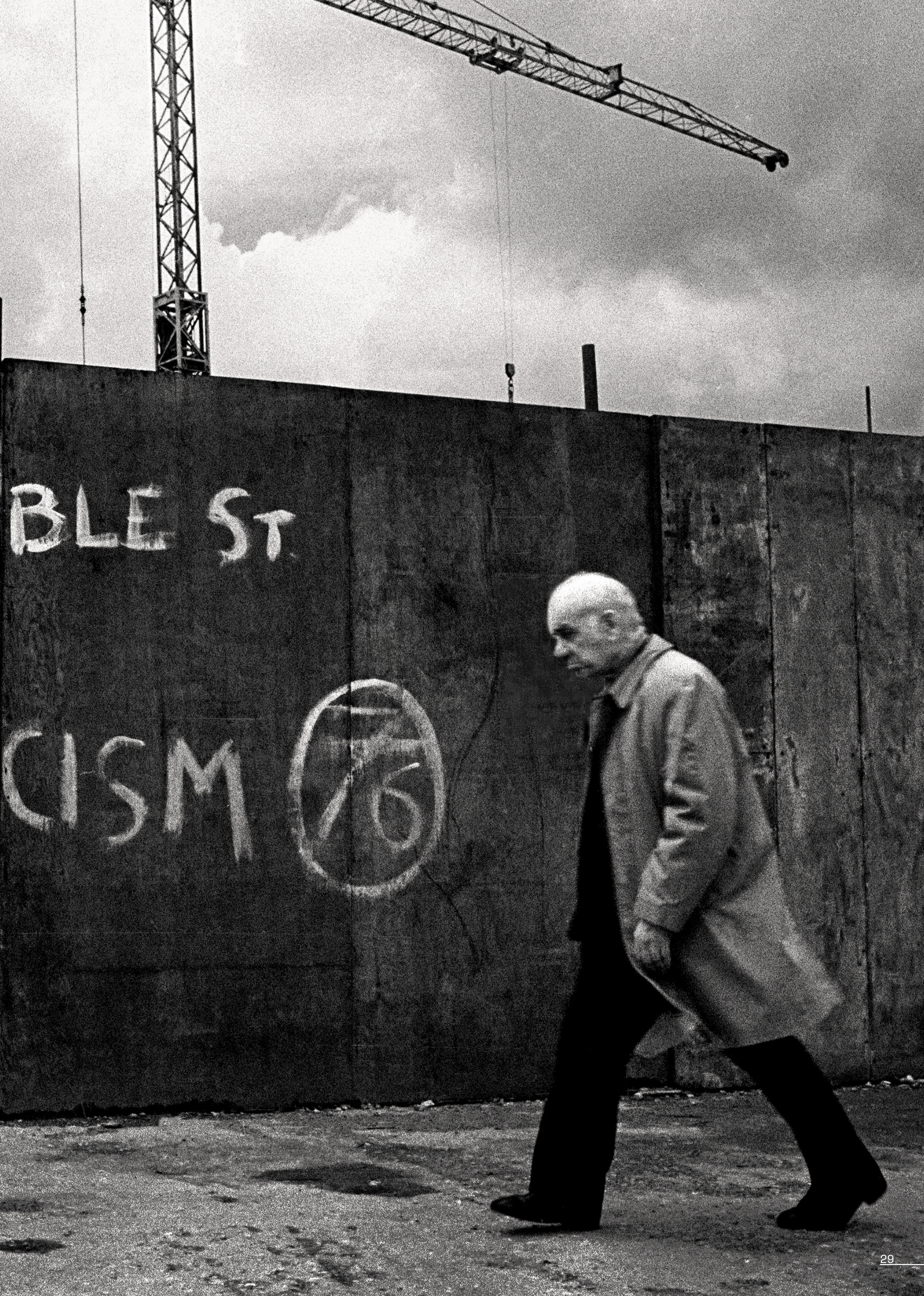
The boarded-up shops, fractured communities and corrugated iron captured in these stills from life are no longer historical artefacts; they are reflections of the UK today. A mass exodus from silver-cladding-riddled city centres. A political landscape lurching ever further right. The eerie familiarity of history repeating itself. Only this time, we are in high definition, gnawing at the heels of yesterday. The same picture in different frames.

These cycles of division and hatred persist, now obscured by the vacuum of mass advertising, daily point-scoring, and a tired “it’s not as bad as it used to be” Victorian work-slump mentality.

Throughout Shelton’s work, he fires his “Nikon with a big Norman flash” against a backdrop of punk and reggae, a fusion designed to cut across racial and social lines. Amid the looming Thatcher-led mire, at the centre of it all, is hope and community. A belief that through art, photography and music we can document, shape culture and push back against those who seek to divide us. It was participation in movements that understood music’s power to unify and defy.

It is a reminder that the fight against racial and class injustice is not over, no matter how much money you have or how large your finance-fuelled Beamer may be. Art and creativity remain among our most potent tools in that conversation.

Shelton’s work shone a spotlight on the issues of yesterday. It is time we document today and help shape tomorrow.

Words: Kieran T. Poole
@kierantpoole


Your artistic journey began in fine art at Wakefield College of Art before transitioning into photography in Australia. What led to picking up the camera, and how did it bring together your political views and visual obsessions?

Syd:
I guess I was slow at joining up my passion for composition, the visual magic of the relationship between objects and people, and my political view of the world. The obvious became reality when I bought my first camera in ’73.

After I left art school, I came down from Yorkshire to London and almost immediately got a job as a studio technician in the painting department at St. Martins School of Art. I did that for three years. During that time, I worked on a series of very abstract hard-edge paintings which, even then, felt a bit ivory tower and left me without a creative voice for my political and social views.

It wasn’t until I left St. Martins and began travelling that I started seeing photographs in my head. That’s when I bought my first camera, and it was life-changing. I felt empowered. I could put forward my radical ideas while pursuing my visual obsessions.

Magic. I had found my voice.

From capturing Rock Against Racism to pivotal social events, your portfolio is vast. Is there a particular photograph that stands out to you this week, and what’s the story behind it?

Syd:
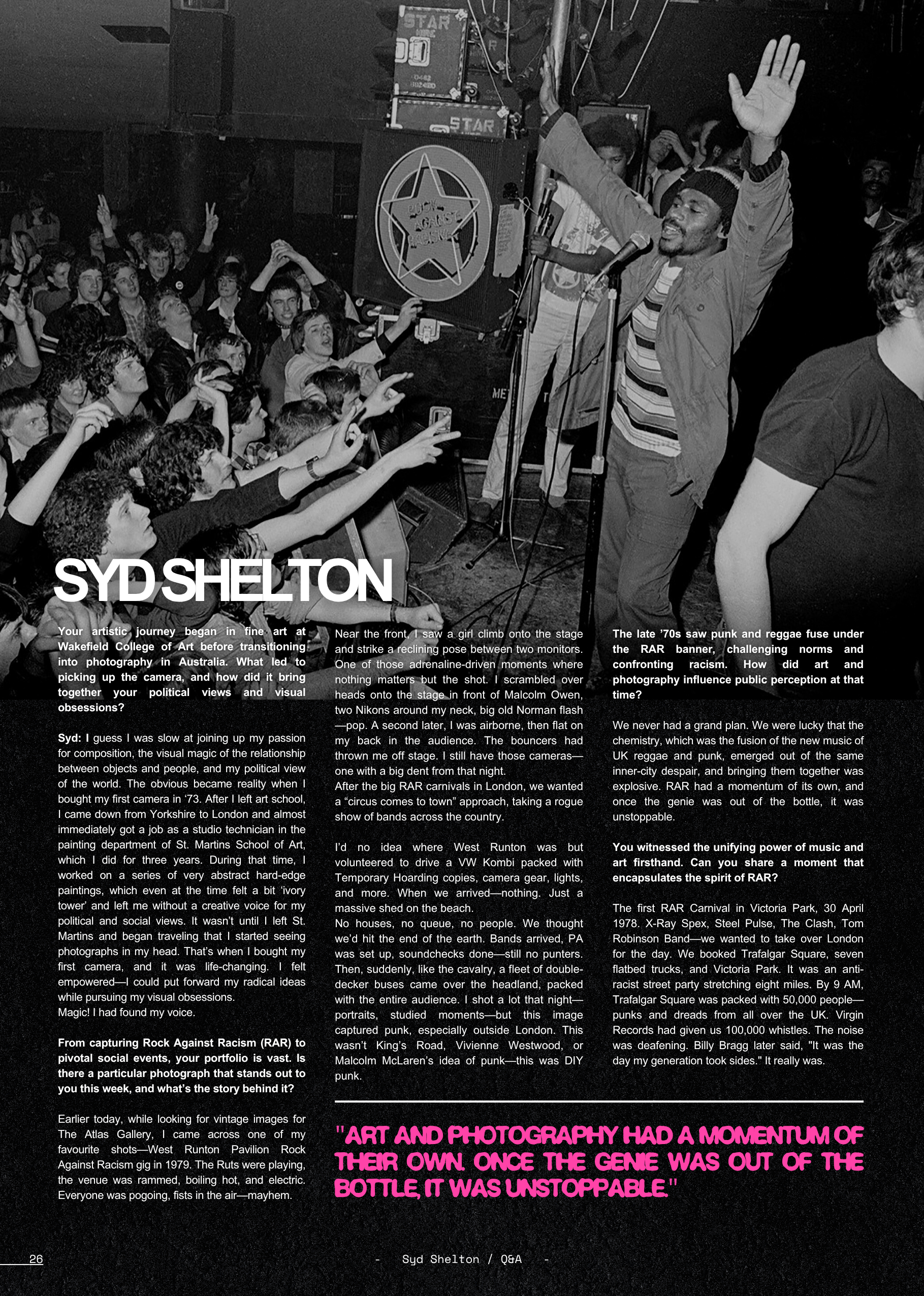
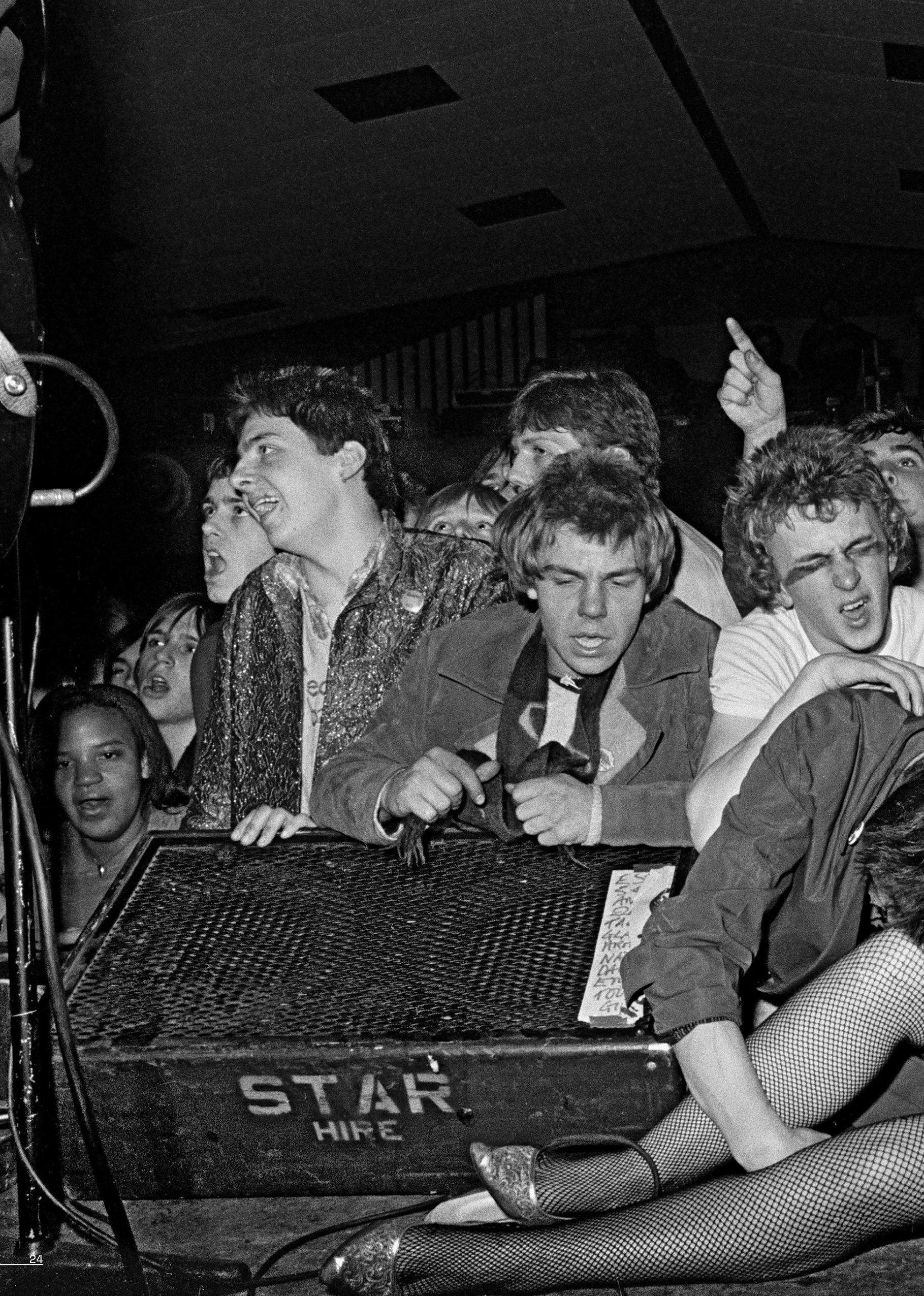
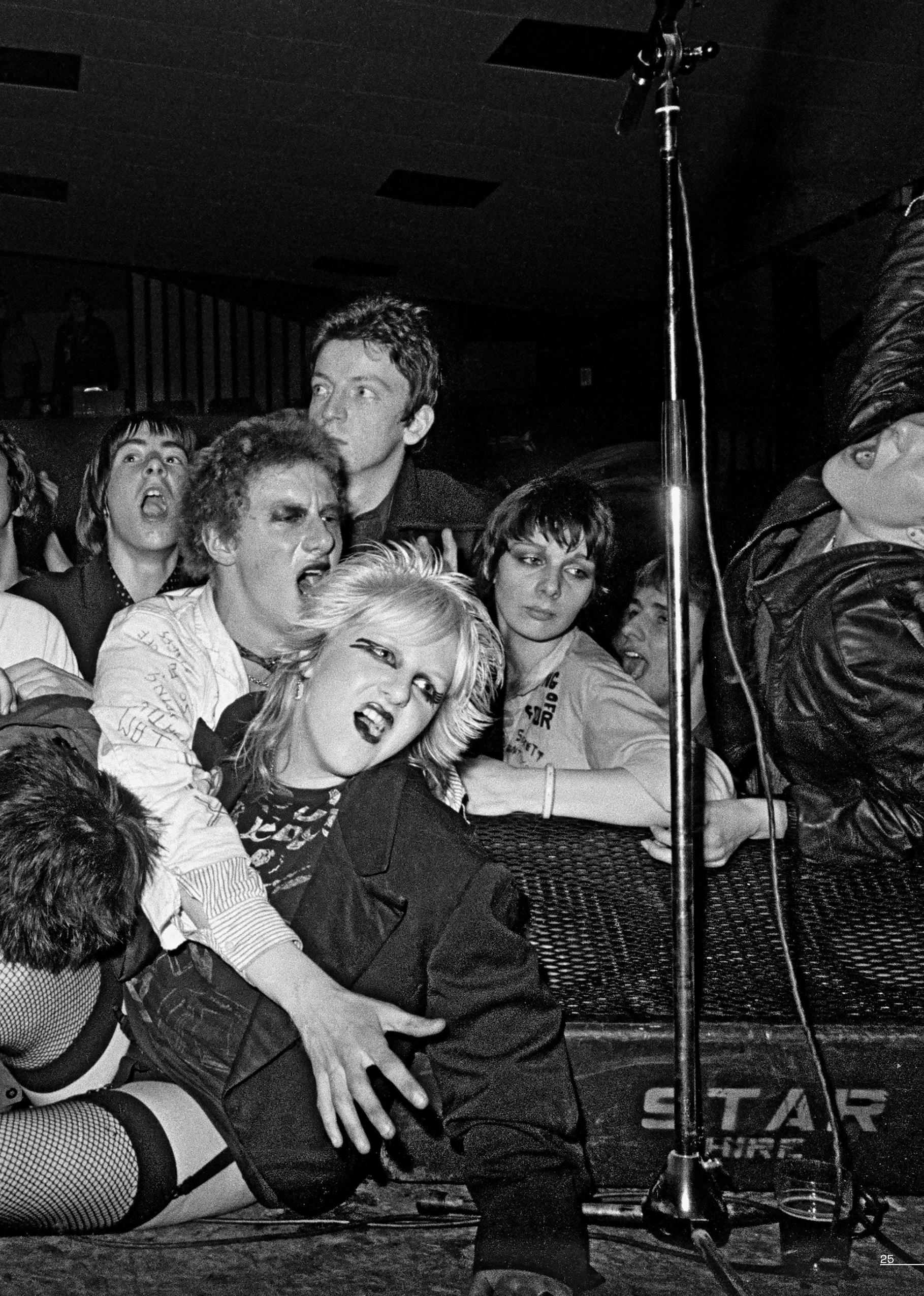
Earlier today, while looking for vintage images for The Atlas Gallery, I came across one of my favourite shots: the West Runton Pavilion Rock Against Racism gig in 1979.

The Ruts were playing. The venue was rammed, boiling hot and electric. Everyone was pogoing, fists in the air. Absolute mayhem.

Near the front, I saw a girl climb onto the stage and strike a reclining pose between two monitors. One of those adrenaline-driven moments where nothing matters but the shot. I scrambled over heads onto the stage in front of Malcolm Owen, two Nikons around my neck, big old Norman flash—pop. A second later, I was airborne, then flat on my back in the audience. The bouncers had thrown me off stage. I still have those cameras—one with a big dent from that night.

After the big RAR carnivals in London, we wanted a “circus comes to town” approach, taking a rogue show of bands across the country.

I’d no idea where West Runton was but volunteered to drive a VW Kombi packed with Temporary Hoarding copies, camera gear, lights, and more. When we arrived—nothing. Just a massive shed on the beach.

No houses, no queue, no people. We thought we’d hit the end of the earth. Bands arrived, PA was set up, soundchecks done—still no punters. Then, suddenly, like the cavalry, a fleet of double-decker buses came over the headland, packed with the entire audience. I shot a lot that night—portraits, studied moments—but this image captured punk, especially outside London. This wasn’t King’s Road, Vivienne Westwood, or Malcolm McLaren’s idea of punk—this was DIY punk.

"Art and photography had a momentum of their own. Once the genie was out of the bottle, it was unstoppable."

— Syd shelton

The late ’70s saw punk and reggae fuse under the RAR banner, challenging norms and confronting racism. How did art and photography influence public perception at that time?

Syd:
We never had a grand plan. We were lucky that the chemistry, the fusion of the new music of UK reggae and punk, emerged out of the same inner-city despair. Bringing them together was explosive.

RAR had a momentum of its own and, once the genie was out of the bottle, it was unstoppable.

You witnessed the unifying power of music and art firsthand. Can you share a moment that encapsulates the spirit of RAR?

Syd:
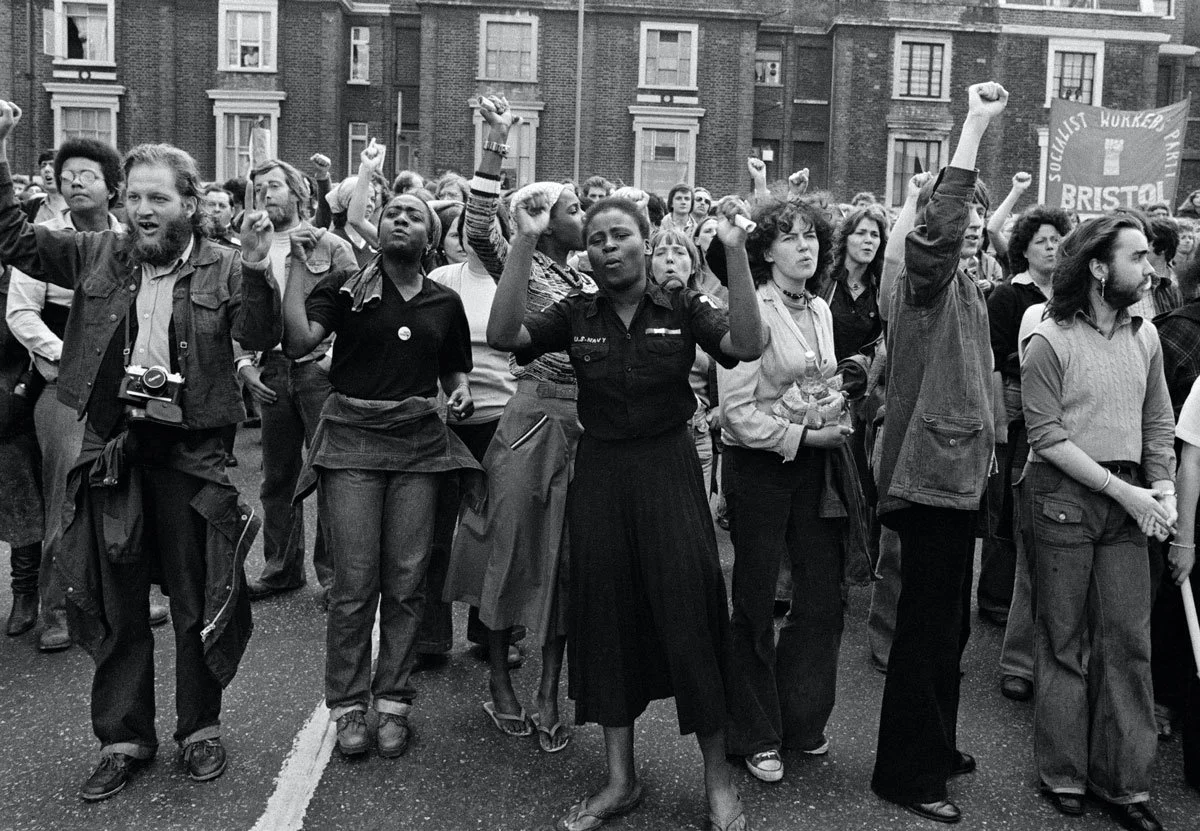
The first RAR Carnival in Victoria Park, 30 April 1978. X-Ray Spex, Steel Pulse, The Clash, Tom Robinson Band. We wanted to take over London for the day.

We booked Trafalgar Square, seven flatbed trucks and Victoria Park. It became an anti-racist street party stretching eight miles. By 9am, Trafalgar Square was packed with 50,000 people, punks and dreads from all over the UK. Virgin Records had given us 100,000 whistles. The noise was deafening.

Billy Bragg later said, “It was the day my generation took sides.” It really was.

"Racism isn't a natural phenomenon—it is learned behavior, perpetrated by years of vicious propaganda."

— Syd shelton

With today's garbled minds of the ‘Pound-Shop-Powell’ — Tommy Robinson & co — what role should art and photography play in documenting our times and inspiring change?

Syd:
Tony Benn said, “There is no ultimate victory; the struggle just goes on.” Racism is not a natural phenomenon. It is learned behaviour, perpetrated by years of vicious propaganda, whether through the crude rhetoric and intimidating street confrontations of the National Front in the 1970s or the more disguised lies of the likes of Trump and Farage in more recent times. It is the same message of divide and rule.

Art and photography must continue to expose that lie. They must document, question and challenge. The struggle continues, and so must the image.

In a world where daily battles rage online and offline, are there real parallels between today’s response and the fightback of the late ’70s? Or is the past more of a light attracting attention rather than a model to be replicated?

Syd:
There are always parallels, but the world has changed. That collective empowerment led by youth is not the same.

It is a mistake to look at the past as a model that can be easily replicated. It cannot. As the mantra we borrowed from the Surrealists, “All Power to the Imagination”, led us to find a solution that worked, contemporary resistance needs an even bigger dose of imagination.

Your latest book, Stills from Life, spans over fifty years of your photographic practice. What led to compiling this collection now?

Syd:
After the success of the exhibition and book Rock Against Racism, I wanted to show the journey of that aesthetic and politics.

When I started putting the book together, it did not have a consistent narrative. It was only as it grew larger that I could see the thread spreading across fifty years.

The book opens with your dream of hope that the struggle for racial and class justice will prevail. How do you see this dream reflected in the images you’ve chosen for this collection?

Syd:
So many of the images in Stills from Life were chosen because they help make up a whole, much like composing a large piece of music. Every piece forms part of a visual and political jigsaw.

As the great photographer Gordon Parks once said, “The camera is my weapon of choice.” For me, it is the visual voice that weaponises my point of view. It is a story told by ordinary people through the magic relationship between photographer, camera and subject.

You’ve often used the term “graphic argument” to signify a deeper meaning in your work. Can you expand on that?

Syd:
The graphic argument is a recognition of the subjective point of view of the photographic voice.

I always try to remember that the photographer is not an objective mirror but a subjective witness. Photography both deliberately and unconsciously expresses our point of view and contributes to the wider conversation.

I hope that in my photographs the image is primary and tells its own story, which is why I have restricted the captions to place and date. Everything else is in the picture. This is visual communication, not illustration of a written story.

With an overwhelming amount of visual content constantly bombarding us, how can artists still contribute meaningfully and avoid getting lost in the ether?

Syd:
That is a tough question, and one I ask myself often, especially in this era of visual overload which the mobile phone bombards us with.

It is a non-stop diet of visual information disguised as photography. Finding the real meaning of photography in this sea of snaps is hard.


More Features & Interviews