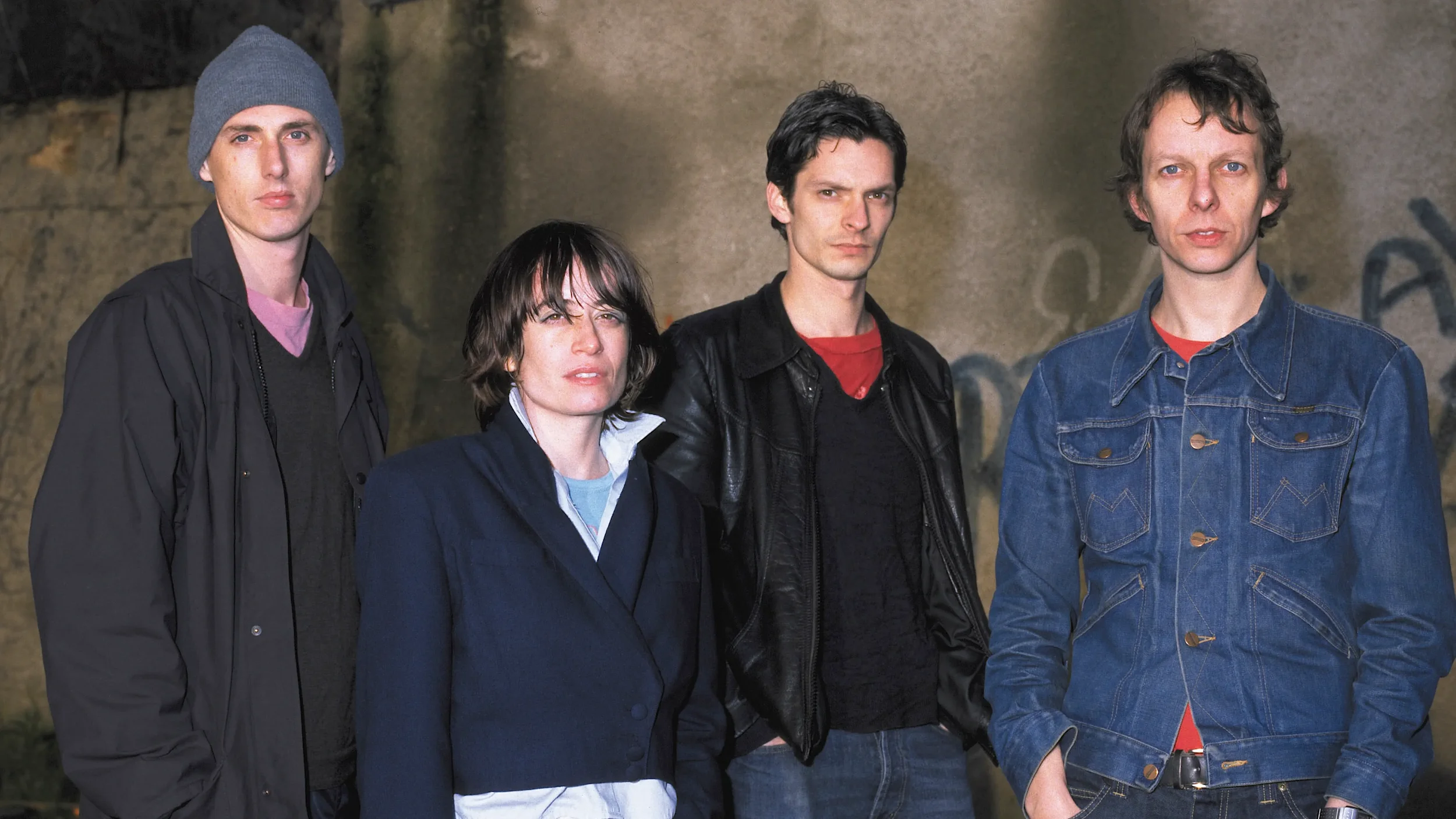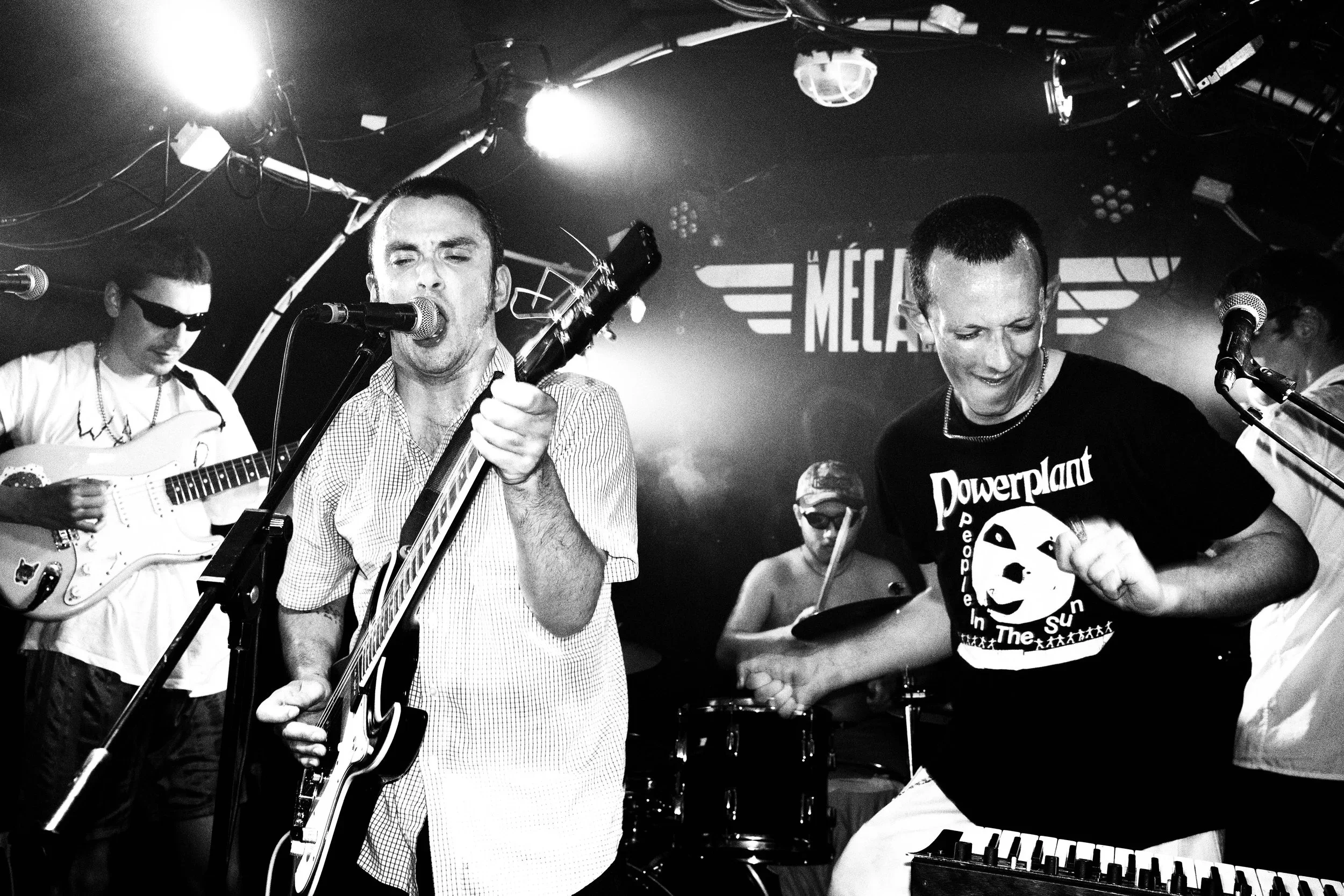
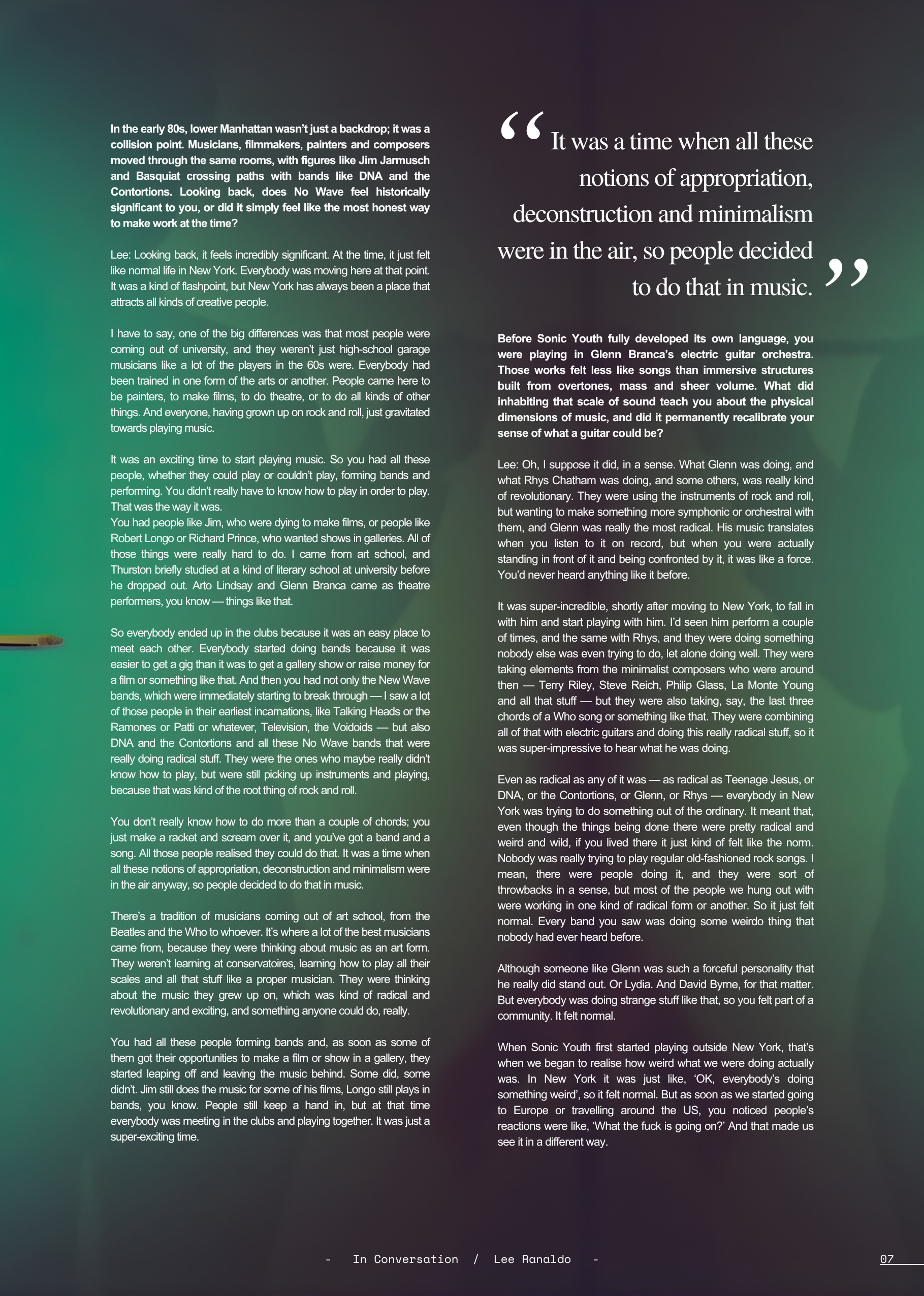
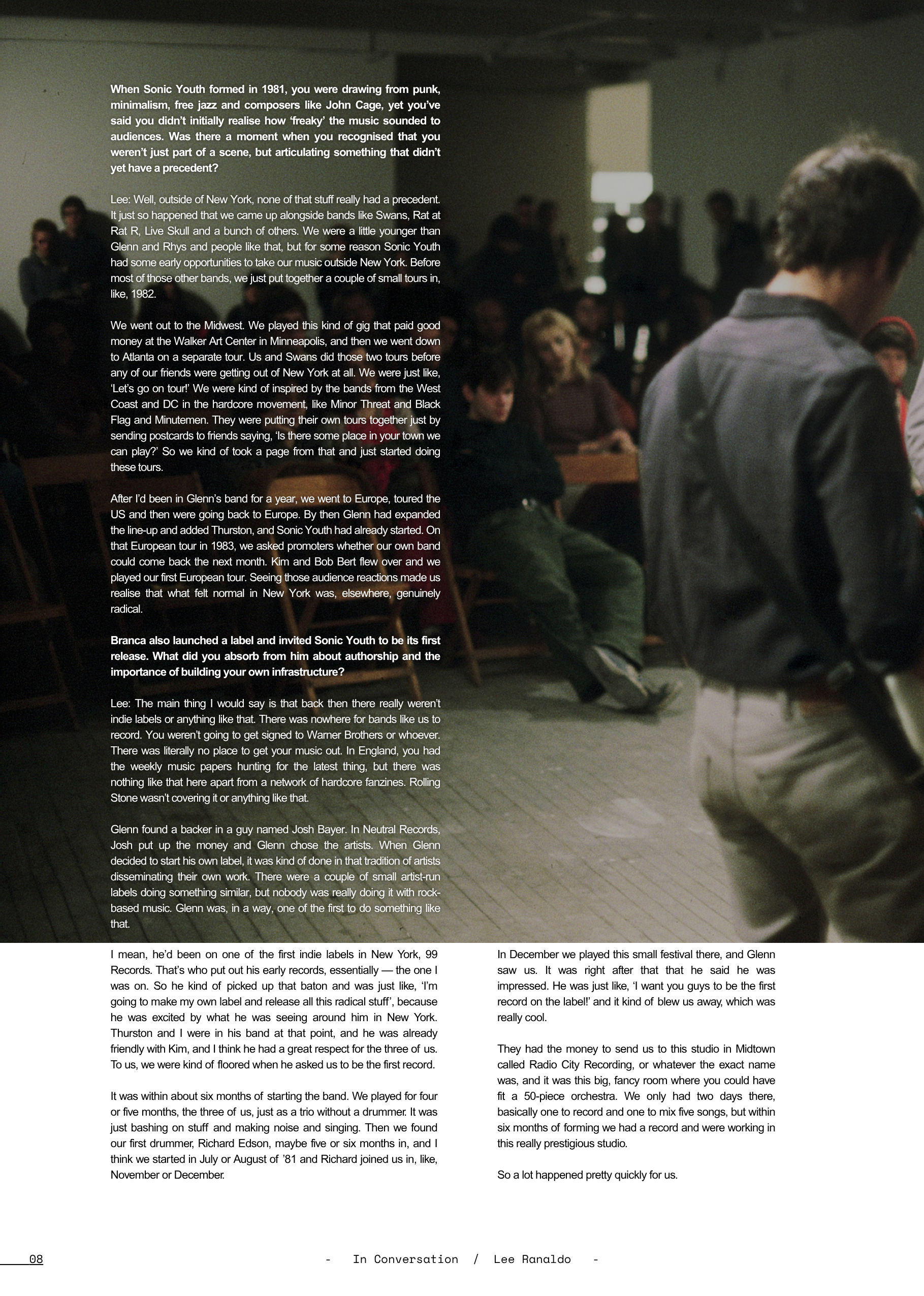
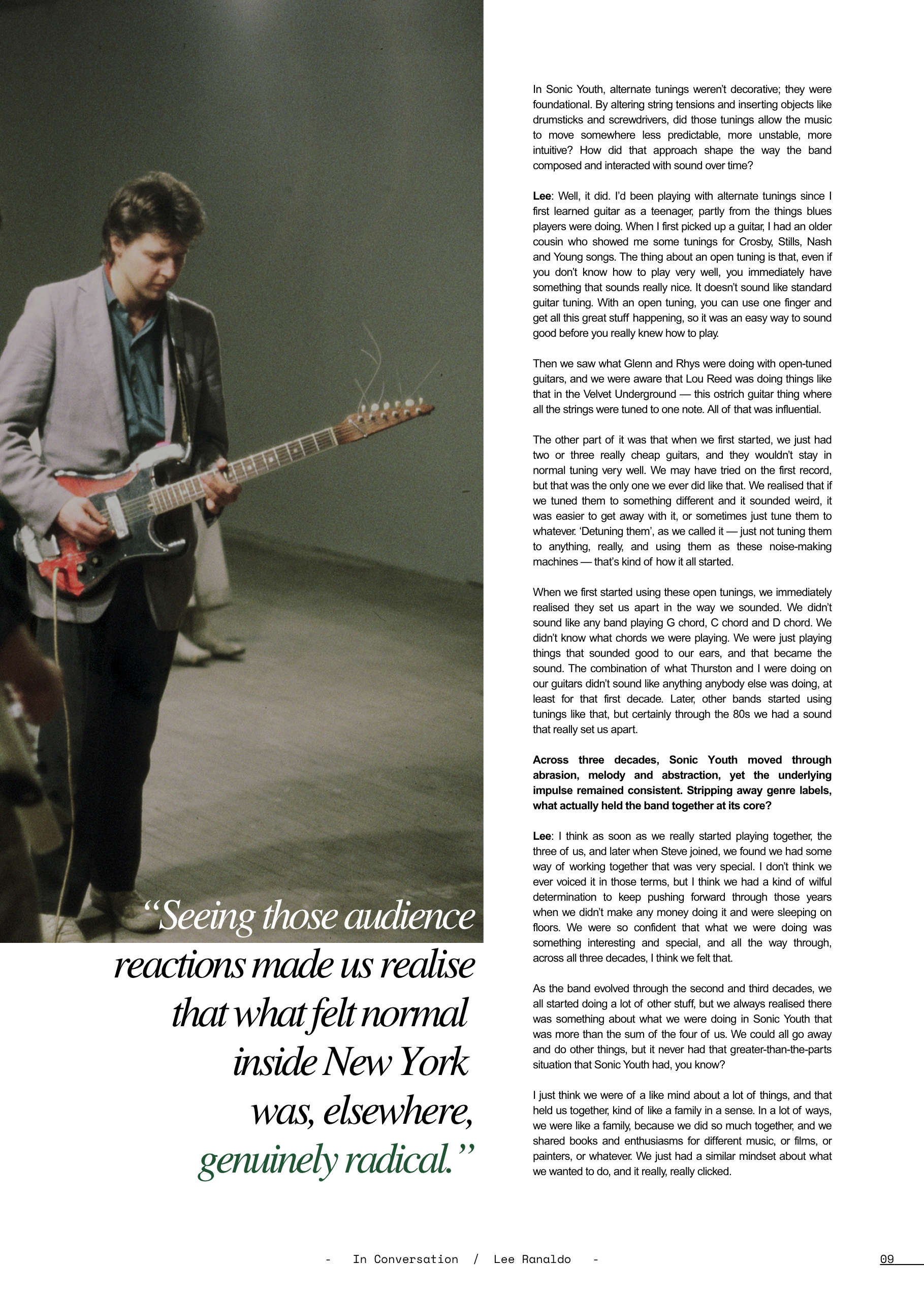
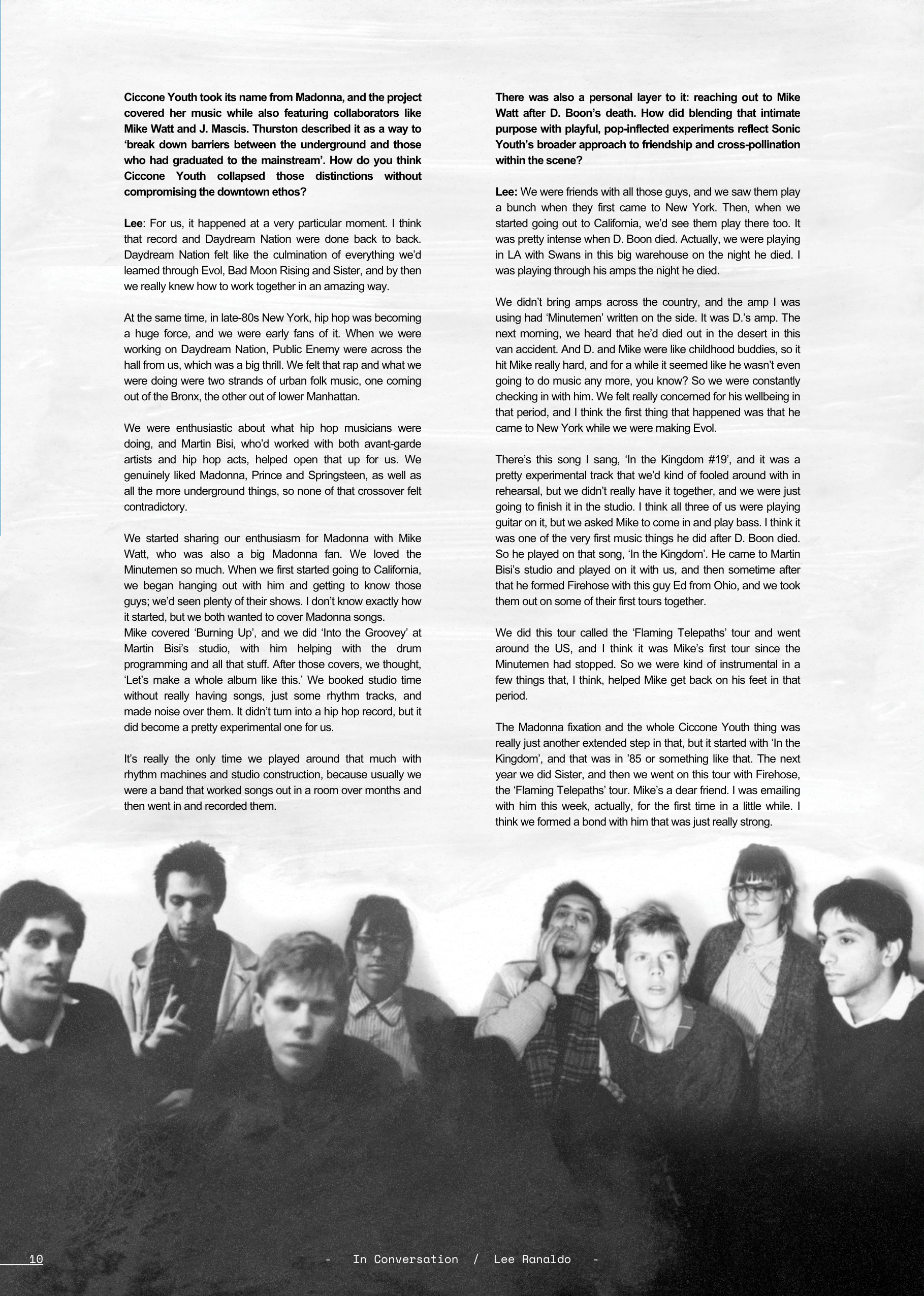
Teesside noise outfit Benefits made an explosive debut with Nails — a furious collision of abrasive electronica amongst aggro spoken word, ripping into the rising tide of toxic nationalism in Brexit Britain.
Led by Kingsley Hall and Robbie Major, the ever-shifting collective now returns with Constant Noise, a bold dive into ’90s beats, indie sleaze and ambient electronica.
The album sees them team up with Zera Tønin of electro-pop provocateurs Arch Femmesis on lead single “Land of the Tyrants” and indie royalty Peter Doherty for “Relentless.”
We caught up with Kingsley and Robbie to chat about their new direction, recording process, and why you should never write songs for Zane Lowe.
Words: Jimi Arundell
@jimi_a
Benefits have now been whittled down to just two members. What prompted this move and how has it affected the band's dynamic?
Kingsley:
It’s not by design. It's not like some Machiavellian plan or anything like that. Benefits, essentially, is just me and Robbie, and looking back, it always has been.
When the pandemic hit, we weren't allowed to leave our house other than to go out for our one walk a day or go to the shops, or whatever the fuck it was; we didn't have the outlet to get together anymore. So, we had to find our own solution to that problem for a psychological release. Despite the fact that you're sitting in your loft eating baked beans and stuff, thinking vodka was a cure for COVID — which wasn't a clever thing.
Eventually, we started sending each other electronic music and spoken word stuff. That's kind of the embryo of what we wanted it to be. So, in a way, what we’ve become now is just us going back to the original idea.
Has it streamlined the sound at all?
Robbie:
I think in some ways it has, because the recordings that we did for the last album — a lot of those were done remotely. I would send ideas between me and Kingsley, so it was sort of a progression of that. On Constant Noise — everything that's on the album that I’ve recorded has been done in this room.
Whereas when I get to a studio, I just shit myself. You just think, “Everything I'm doing is costing money, and everything I'm doing is shit.” Whereas when you're just in your house, it's free. The only time wasted is Kingsley's time when he's got to listen to ten minutes of unlistenable noise, but he's quite happy doing that.
Kingsley:
I don't think we're musicians. Robbie, obviously, is very good at playing synthesisers and making noise and playing the violin, but we're not proper musicians, and I think we use that to our advantage where we can. And I know that'll piss off people who make real music because we don't do that.
We've done the whole sitting in grotty practice rooms, smoking endless amounts of cigarettes, listening to the same fucking song for two hours, and then loading everything back in the car and going home. We just haven't got the patience anymore to do that.
Now, Robbie will send me an email on a Thursday afternoon, and I'll go, “That's pretty good,” write some lyrics to it, and then it'll be done by Friday. And if I think it’s shit, I just delete it.
It sounds like you've had the opposite experience to the difficult second album trap — removing all those things that might cause imposter syndrome, stressful or financially expensive. You’ve just said, “Fuck that. This is us!” and you've been able to completely focus.
Robbie:
The imposter syndrome is still very much there. But I think that's there with everyone, isn't it? If you haven't got that, then you’re probably a deluded maniac.
Financially, we've still spent all the money, even though we don't have any big costs. Everything's still very expensive, even with a no-frills way of doing it.
Kingsley:
James Welsh and James Brown have been invaluable to creating this as well. They understand our way of working. They have become collaborators, and we've never even been in the same room together. They're virtual collaborators, in that sense.
With the second album thing, you’ve got to understand that, as successful as the first record was — with critical acclaim in certain circles (because I know in other circles it was derided) — we're still not a massive band, we're not a big deal. So, we haven't got to appease a huge audience that would be expecting a certain product.
"We’ve done the whole sitting in grotty practice rooms, smoking endless amounts of cigarettes, listening to the same fucking song for two hours. We just haven’t got the patience anymore."
— Kingsley
With this album, it sounds very ’90s-centric. Particularly the dance music and the club scene at the time. Where did that come from?
Kingsley:
It's an intentional nod, but I don't think it's a completely ’90s thing. I don't think you could have picked it up after buying Be Here Now or something.
A lot of the lyrical themes on it are to do with reminiscence, to do with looking back. Nails was about how the right-wing romanticised the past of Britain — when it was jumpers for goalposts and no foreigners. Whereas this is kind of different. This is about how pretty much anyone romanticises their own past.
We're all guilty of it. I'll look back on the ’90s or the early noughties and remember Britpop being this explosion of freedom, youth, colour, vibrancy, and creativity — but forget about all the misogyny.
I've got stacks of NMEs from the early noughties and late ’90s. The interviews are really revealing — like, terrifying — what these usually young, white, lad bands said. It's all homophobia and sexism. Certainly, how they treated women and girls. It's fucking sickening. You forget about that.
Constant Noise sees you team up with some great artists. You've got Zera Tønin of Arch Femmesis in there and Neil Cooper from Therapy? How did those collaborations come about?
Kingsley:
They're just friends.
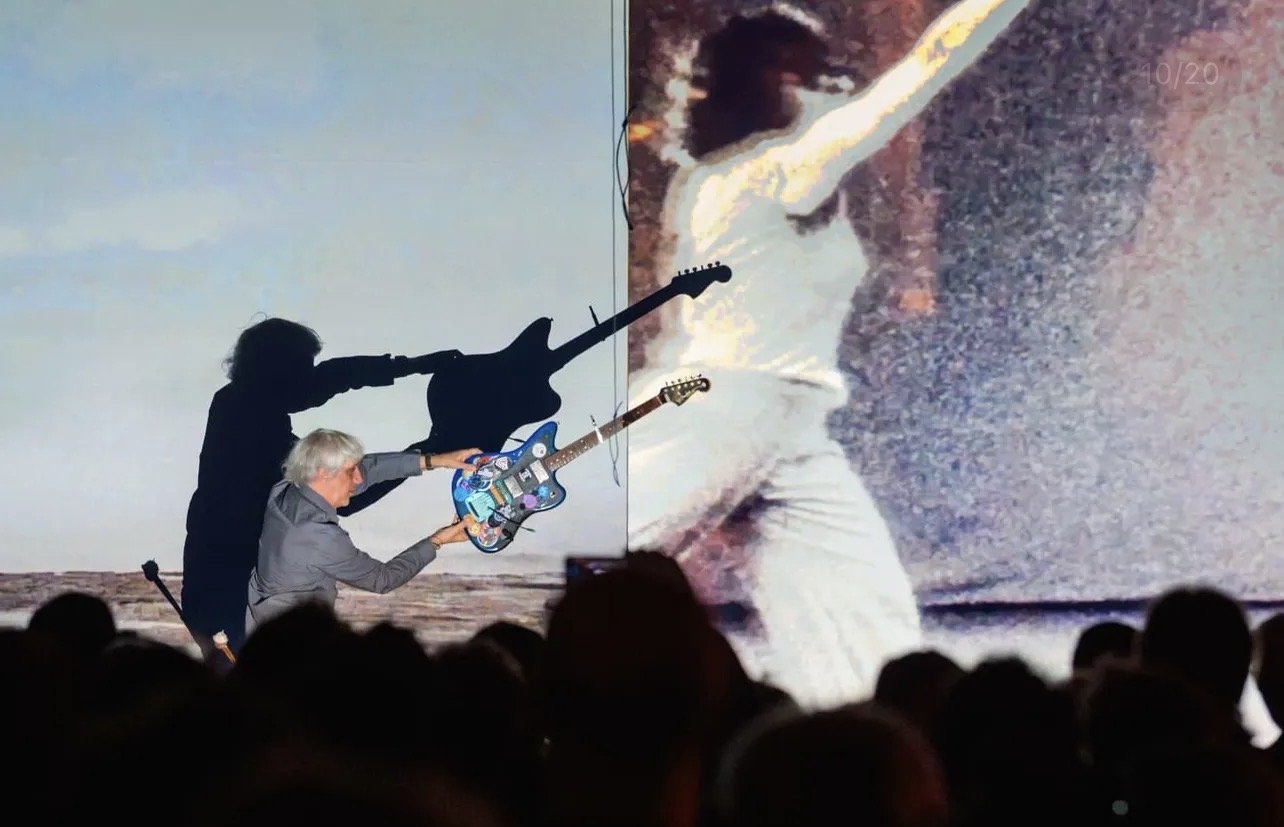
We played with Arch Femmesis at The Rescue Rooms at the end of 2023. Zera came out — it was all shadows and strobes — and she was wearing this white wedding dress veil thing. It started off as this sort of heavy, horrible techno, and she just gave out this awful scream. It was satanic — this otherworldly thing came out of her mouth. And it was just amazing. Absolutely incredible. I was just like, “How can we nick that?”
I was working on this song, “Land of the Tyrants”, and I think me and Robbie both liked it, but no one else liked it. Certainly, no one thought it was a single or even that it should go on the album. But hearing that was like, “Hold on, we could utilise something like that to take it to another level.”
Sometimes songs need either a hook or a motif or something special or weird to make them stand out. And that was the exact thing — with this primal rage. Plus, it's nice having a female voice on it as well to counteract this white male monstrosity that’s all over the record.
Neil from Therapy? has played drums for us. He's great. He's a nice friend. He bought a T-shirt from us via Bandcamp, which was how we first met. He’s very loud.
“I'll look back on the 90s or the early noughties and remember Britpop being this explosion of freedom, youth, colour, vibrancy and creativity.
But forget about all the misogyny.”
— Kingsley
You’ve also teamed up with Peter Doherty for the single “Relentless”. How did that come about and how much was he involved in the writing of that track?
Kingsley:
(Laughs) Not a major deal. He'd heard us on BBC 6 Music doing some spoken word and decided that he liked it. A friend of mine, Jimmy, who runs a bar called Kubar, messaged me one afternoon saying, “Pete Doherty is here. Do you want to come and meet him? He keeps banging on about your band.” And I was like, “Really?” So, I did.
He was frighteningly nice — very tall, like a giant, like six foot fucking four or something. He was dead canny and said, “You know, we could do a collaboration.” I was like, “Nah. Come on. You're like a huge superstar. That's never gonna happen.”
But this theme of reminiscence was starting to grow, and if we could get him to do something on this song, that would square the circle. We were writing about reminiscing on our past, and then, all of a sudden, this hero from your own past comes in and he's going to sing on your song.
Afterwards, we had to track him down and make the schedules match. Eventually, we cornered him at a gig he was five hours late for in Manchester.
We tried doing it in this quiet, empty dressing room, but in the end, we had to do it in a room that was full of people, in a venue that was already packed, with a band playing in the next room. Not ideal.
I wanted him to do something that he doesn't necessarily always do — almost like jazz scat over it. In the end, he just kind of rambled over it, but it was cool.
Do you feel unfettered from any expectations of what you “should” sound like?
Kingsley:
Even before lockdown, we were doing this fairly formulaic and traditional song-structured stuff in practice rooms and making a kind of noisy, IDLES-ish sound. It wasn't until I got this strange sense of freedom to write how I wanted to write that it clicked.
You've kind of got to teach yourself not to give a fuck. We certainly never write to pander to an audience, be popular, or try to be careerists. We've had these accusations thrown at us, which always fucking baffled me.
When a song like “Flag” started getting a bit of traction, people were saying, “You’re jumping on the bandwagon!” I'm like, “What sort of fucking bandwagon is that?” It must be the shittest-looking bandwagon you could possibly think of to jump on.
I remember having a pep talk from Tom Robinson — the 2-4-6-8 BBC 6 guy. I messaged him, feeling a bit depressed. He got back to me with, “I'll give you a call, we'll have a chat.” He gave me bits of advice on how to keep your mind active, be more creative, and write more.
He was great, and on the back of that, I started writing without any lofty intention or formula. Just writing with freedom and not worrying that “I need two choruses, a middle eight, and something that will work for radio, and I can't swear here, so I'll have to put this in instead.” Absolute nonsense.
Back in The Chapman Family years, we had success with the song “Kids”. It was on MTV, Radio 1, NME, and things like that, but once that waned, you really struggled.
I remember our management going, “You need to write a song for Zane Lowe,” and we were like, “What the fuck does that mean?”
Then being in these practice rooms in Stockton, fucking full weekends, just sitting there. It played into everyone's brain: “What would Zane Lowe like?”
You’ve explored the darker side of national identity on both records. Can you ever see an acceptable form of patriotism or nationalism — or a positive form of it at all?
Robbie:
It's just really hard to feel proud to be English, isn't it? And I think that's another problem in itself, really, isn't it? Because we are very lucky to live in this country rather than somewhere else.
I don't think I ever feel patriotic, but then you see things and you go, “God, that is pretty good!” If you go to London and see the sort of communities they've got there, where it's just completely normal that people from anywhere in the world can go to London and they fit in — that's amazing.
But yeah, it's tricky, isn't it? Because there's just so much bad stuff that comes around from nationalism.
Kingsley:
It depends on what you define as patriotism.
It's just so fucking grim. Any Prime Minister now — whether it’s Johnson, Sunak, Truss, Starmer, or whoever — it doesn't fucking matter which side of the line they're on, they still have to be flanked by Union Jack flags. Everything has to be thrown in your face. It's just marketing. People have done studies on this shit.
Everything has to be polarised now. You can't have a nuanced take or debate. You have to have one thing that’s bad and one thing that’s good. If you’re truly patriotic, you've got to have a Union Jack planted in your garden.
I can't stand nationalism. Obviously, I can't stand nationalism. I can't stand patriotism. It doesn't mean shit to me. I don't give a fuck.
You are lucky, in a way. You are a chemical accident that happened to be born in a certain place at a certain time. That's all you are. You’re a chemical reaction. It doesn't fucking matter. Borders don't exist. They don't exist apart from on a map.
It's so stupid. I hate the whole concept of it.
“It doesn't fucking matter which side of the line they're on, they still have to be flanked by Union Jack flags. Everything has to be thrown in your face. It's just marketing”.
— Kingsley
Constant Noise is a real confessional record. Do you ever worry about revealing too much of yourselves through your music?
Kingsley:
Just as much as anyone else. Surely everyone who puts something out there does that anyway. I don't think we're revealing anything. It's just about honesty and decency. That's all it is. It's not about anything else.
Robbie:
I think it’s also that thing where you don't want to lose the opportunity to do it because you're afraid that some people might not like it, or they might end up laughing at you.
You've got the opportunity to create art, and then you dumb it down because you're embarrassed by it — because at some point you'll be lying on your deathbed and you’ll be thinking, “I could have written a load of really good albums, but I was just a bit worried that someone who I don't even know or like has decided that it’s shit.”
You might as well just get on and do it anyway.
I think that's one of the benefits of getting older — you start to learn that nothing really matters, what people say on the internet. And if someone's got a Google alert set up ready, that means they're always going to be the first person to comment on our YouTube videos saying that it’s shit — fine, who cares? It doesn't have to ruin your day.
Last year saw you complete a European tour where we caught you at Left Of The Dial Festival. Did you have to tailor your sets to be less orientated around English and more about the music?
Kingsley:
There's nothing tailored about our sets, Jimi. Christ!
Europe's class. It's amazing. Rotterdam — that festival — is a little bit different because, obviously, there is quite a big British contingent in the audience, so it's maybe a little bit warped.
But we absolutely love playing abroad. Over here, what tends to happen is this political band nonsense that we always get, where people will turn up to the gig, stand, and fold up their arms and think, “Yeah, I agree with this politically,” instead of getting into the music.
It’s fine, I get it. But over there, they may well agree with us in a political sense — because they're kind of fiery over in Europe, I don't know if you've noticed, they’re quite the opinionated little madams — but they also tend to just get into it more and fucking go for it.
They don't get overly hung up on the “Ah, political music! I need to sit back and listen to it in a considered manner.”
Robbie:
They seem less self-conscious. Which is a sweeping generalisation.
But when we were in Italy, they understood the lyrics to the songs, and we had an amazing, beautiful connection with the people at that festival. It was in the middle of nowhere, far from airports, in the countryside, and had this incredible festival put on by a group of proper anti-fascists. It didn't even have security or anything.
Getting to go to places like that is pretty cool.
Plus, you can eat pizza for free.
How do you recall the sheer length of lyrics — and are there any times you think, “Shit! My mind has gone blank”?
Kingsley:
Yeah! My mind has gone blank numerous times during this interview!
Sometimes I have to rely on muscle memory. I don’t necessarily revise them — I just hope for the best. Other times, I’ve got little trigger notes written around my keyboard and stuff, as there’s certain points I know I’m going to forget. A word scribbled here and there, so I know that’s the first line of the second verse of this song.
Some of the songs from the next one, obviously we’ve not played too much, so they’re going to be interesting live. My memory’s shit. I haven’t resorted to making it up yet, but at some point, that might happen.
By the third album, we’ll just have one-word choruses. No big lyrics. Just confrontational single words shouted loudly, and a single button on the keyboard to hit.